            <div class="elementor-widget-container">
        <style id="elementor-post-9702">.elementor-9702 .elementor-element.elementor-element-19443d1 .elementor-button{fill:var( --e-global-color-9d0919f );color:var( --e-global-color-9d0919f );}.elementor-9702 .elementor-element.elementor-element-19443d1 .elementor-button:hover, .elementor-9702 .elementor-element.elementor-element-19443d1 .elementor-button:focus{color:var( --e-global-color-749d6d0 );}.elementor-9702 .elementor-element.elementor-element-19443d1 .elementor-button:hover svg, .elementor-9702 .elementor-element.elementor-element-19443d1 .elementor-button:focus svg{fill:var( --e-global-color-749d6d0 );}</style><style id="elementor-post-9889">.elementor-9889 .elementor-element.elementor-element-06be21d .elementor-button{fill:var( --e-global-color-749d6d0 );color:var( --e-global-color-749d6d0 );background-color:var( --e-global-color-b799a7c );}.elementor-9889 .elementor-element.elementor-element-06be21d .elementor-button:hover, .elementor-9889 .elementor-element.elementor-element-06be21d .elementor-button:focus{color:var( --e-global-color-749d6d0 );background-color:var( --e-global-color-6be5f1d );}.elementor-9889 .elementor-element.elementor-element-06be21d .elementor-button:hover svg, .elementor-9889 .elementor-element.elementor-element-06be21d .elementor-button:focus svg{fill:var( --e-global-color-749d6d0 );}</style>
                     <div class="wp-block-image is-resized">
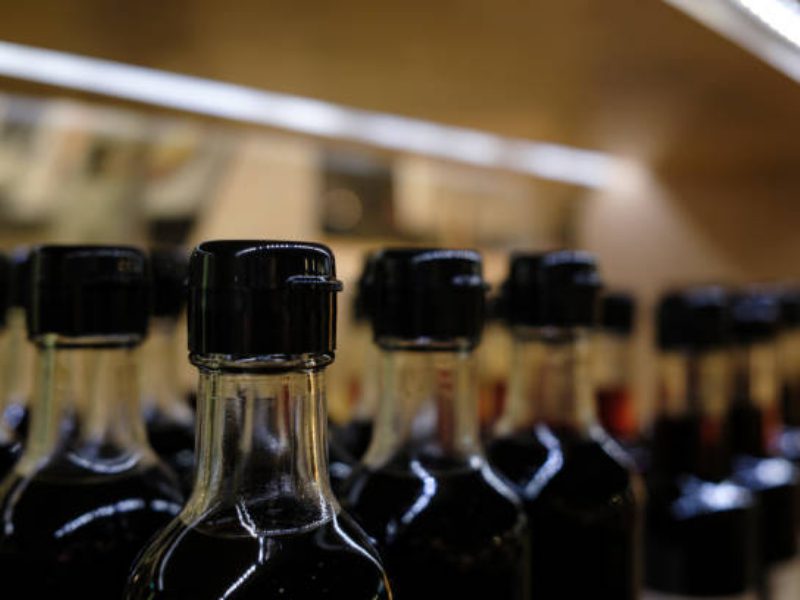
Yes, soy sauce does expire. Originating from ancient China, soy sauce has journeyed across continents, becoming a staple in kitchens everywhere. Its unique blend of fermentation and soybeans imparts a flavor that’s hard to replicate.
But as we treasure this condiment, questions about its longevity often arise. “How long does soy sauce last?” is a query many of us have pondered, especially when staring at a bottle that’s been sitting idle for a while. While its fermentation process and high salt content act as preservatives, they don’t offer indefinite protection against aging. As we embark on this exploration of soy sauce’s shelf life, it’s crucial to distinguish between the lifespans of unopened and opened bottles. Let’s uncover the mysteries of soy sauce’s expiration in the following content.
Absolutely, unopened soy sauce does expire. But why? The answer lies in its very nature. Soy sauce is a fermented product, a result of a delicate balance between soybeans, wheat, salt, and specific microorganisms. Over time, even with the preservative qualities of its high salt content, this balance can be disrupted. External factors like exposure to air, light, and temperature fluctuations can accelerate the oxidation process, leading to changes in flavor, aroma, and even color.
Typically, an unopened bottle of soy sauce can last from 18 months to three years when stored in a cool, dry place. However, its peak flavor is best enjoyed within the first year of its production date. Once opened, the clock starts ticking faster. To enjoy the freshest taste and aroma, it’s advisable to use up an opened bottle of regular soy sauce within three to six months. Storing it in the refrigerator after opening can help retain its quality for a bit longer. When fresh soy sauce has been properly refrigerated, it’s ideal to replace it after using it for 2 or 3 years at the maximum.

Yes, though refrigeration is not mandatory, it can help maintain the freshness of soy sauce and extend its shelf life. For more detailed guidelines on the effects of refrigeration and storage on the freshness and safety of soy sauce, including the benefits of using tightly sealed containers and regular checks for spoilage. The high salt content in soy sauce acts as a natural preservative, reducing the growth of harmful microorganisms and providing a salty flavor. However, once you break the seal and introduce it to the outside environment, the oxidation process begins. Oxidation can alter the flavor profile of the soy sauce, making it taste less fresh and more acidic over time. Soy sauce is often used in Asian dishes to add a salty flavor.
When left at room temperature, especially in a warm or humid environment, soy sauce is more susceptible to spoilage. Factors like direct sunlight or exposure to air can speed up this process. While it might not become harmful to consume immediately, its peak flavor and aroma can degrade faster.
Refrigeration slows down the oxidation process, preserving the rich, umami flavor of the fermented condiment, soy sauce, for a longer period. So, while it’s not a strict necessity to refrigerate soy sauce, doing so can extend its shelf life and maintain its best quality. If you’re someone who doesn’t use soy sauce frequently and it sits for extended periods, popping it in the fridge post-opening is a wise move for soy sauce storage.
Once you pop the lid on that soy sauce bottle, the freshness countdown begins. Stashed in the fridge, an opened soy sauce bottle can keep its prime flavor for roughly six months. After this period, you might detect some nuances shifting. Its robust flavor might mellow a bit, and its signature scent could lose some of its punch. While it doesn’t necessarily mean the soy sauce has turned bad, but it might not pack the same flavorful punch. However, if you notice a foul odor upon opening the bottle, it is an indication that it has gone bad.
This varies based on storage conditions and the specific variety of soy sauce. While the expiration date provides a guideline, the actual shelf life can vary based on several factors.
Soy sauce kept in a cool, dry place, away from direct sunlight, will fare better than a bottle left in a warm, humid environment. Proper storage can extend the life of soy sauce, allowing it to remain good for several months, sometimes even a year, past its expiration date.
Tamari stands out in the Japanese-style soy sauce family. Often gluten-free, it boasts a deeper, mellower flavor, distinguishing itself from other soy sauces. Predominantly made from soybeans with minimal or no wheat, Tamari’s unique composition might influence its shelf life. When stored under ideal conditions, Tamari can maintain its essence for several months beyond its labeled expiration.
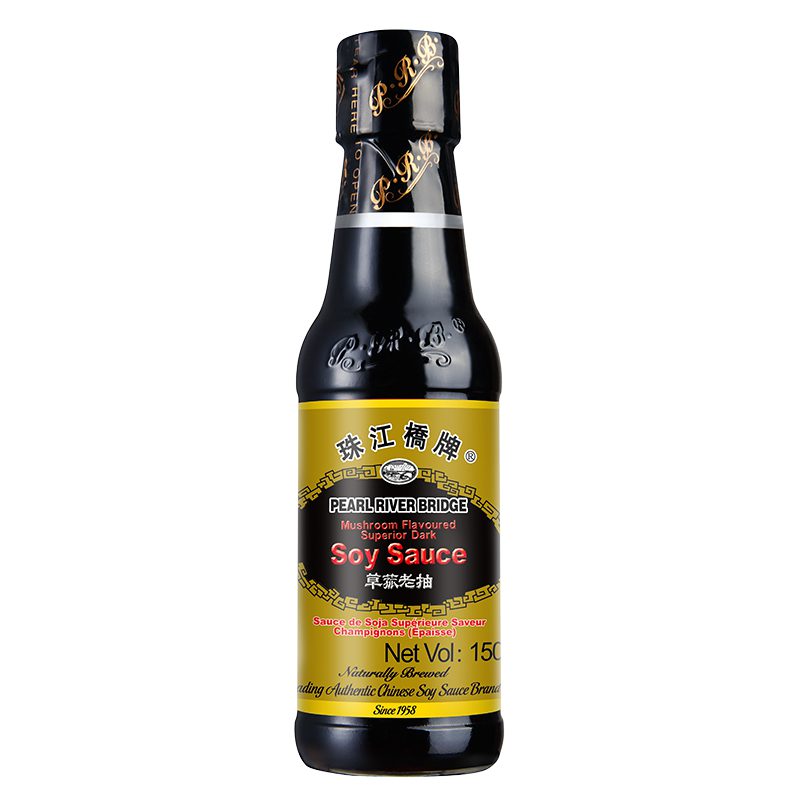
Chinese soy sauce presents a spectrum of flavors, segmented mainly into light and dark types. The light version is more saline and has a runnier consistency, while its dark counterpart leans towards a sweeter, more viscous texture, thanks to added caramel and occasionally molasses. The intricate blend of ingredients and the fermentation journey they undergo means that Chinese soy sauces, particularly the dark kind, might outlast their expiration dates, courtesy of the preservative qualities of their higher sugar levels.
    <div data-elementor-type="section" data-elementor-id="9702" class="elementor elementor-9702 elementor-location-single">
                <div class="elementor-section-wrap">
                            <section class="elementor-section elementor-top-section elementor-element elementor-element-d80f760 elementor-section-boxed elementor-section-height-default elementor-section-height-default" data-id="d80f760" data-element_type="section">
                    <div class="elementor-container elementor-column-gap-default">
                        <div class="elementor-row">
                <div class="elementor-column elementor-col-100 elementor-top-column elementor-element elementor-element-1b56114" data-id="1b56114" data-element_type="column">
        <div class="elementor-column-wrap elementor-element-populated">
                        <div class="elementor-widget-wrap">
                    <div class="elementor-element elementor-element-19443d1 elementor-align-center elementor-widget elementor-widget-button" data-id="19443d1" data-element_type="widget" data-widget_type="button.default">
            <div class="elementor-widget-container">

            </div>
            </div>
                    </div>
                </div>
    </div>
                            </div>
                </div>
    </section>
                        </div>
            </div>
Several signs can indicate spoilage in soy sauce. you can look for the following signs:
Technically, using expired soy sauce is possible as long as there are no evident signs of spoilage. The date on the bottle serves more as a “best by” guideline rather than a hard “discard after” directive. However, its rich flavor might have diminished over time. It’s crucial to check for any off-putting smells, mold, or unusual changes in its appearance. While consuming expired soy sauce isn’t typically harmful, always be cautious and ensure it hasn’t developed mold or become unusually viscous.
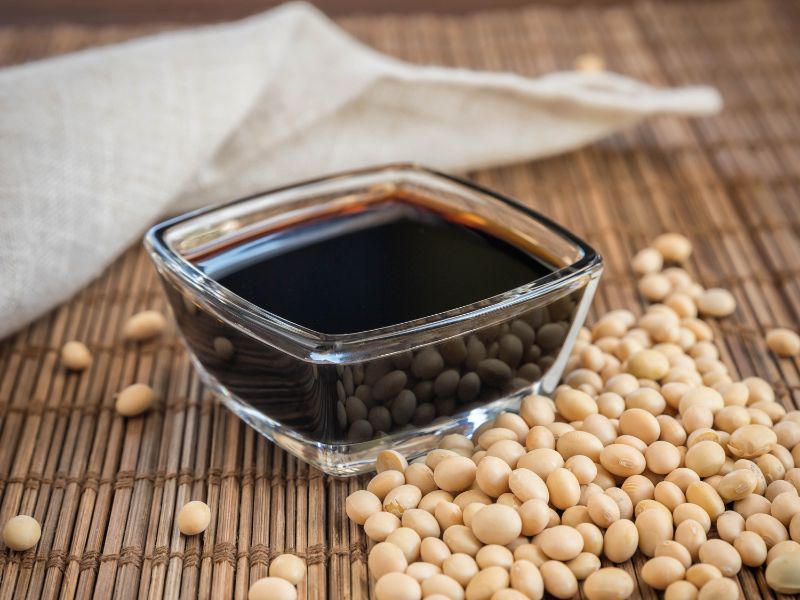
It’s important to note that soy sauce can last a long time, but its flavor may diminish over time. To ensure that your soy sauce stays fresh and flavorful, it’s best to store it properly and use it within a reasonable amount of time.
    <div data-elementor-type="section" data-elementor-id="9889" class="elementor elementor-9889 elementor-location-single">
                <div class="elementor-section-wrap">
                            <section class="elementor-section elementor-top-section elementor-element elementor-element-c84c4bd elementor-section-boxed elementor-section-height-default elementor-section-height-default" data-id="c84c4bd" data-element_type="section">
                    <div class="elementor-container elementor-column-gap-default">
                        <div class="elementor-row">
                <div class="elementor-column elementor-col-100 elementor-top-column elementor-element elementor-element-70ba5ac" data-id="70ba5ac" data-element_type="column">
        <div class="elementor-column-wrap elementor-element-populated">
                        <div class="elementor-widget-wrap">
                    <div class="elementor-element elementor-element-06be21d elementor-align-center elementor-widget elementor-widget-button" data-id="06be21d" data-element_type="widget" data-widget_type="button.default">
            <div class="elementor-widget-container">

            </div>
            </div>
                    </div>
                </div>
    </div>
                            </div>
                </div>
    </section>
                        </div>
            </div>

    </div>
