<div class="elementor-widget-container">
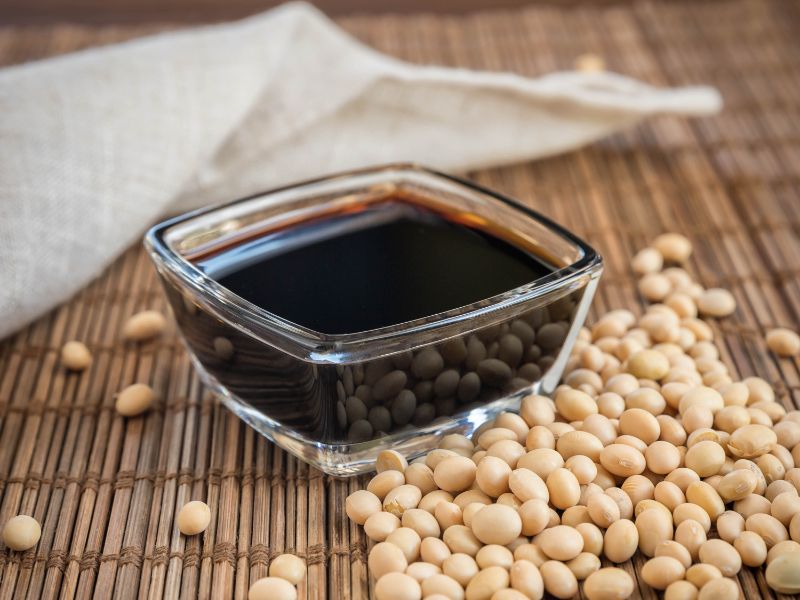
Sodium is doing more than just making your fries tasty; it’s helping your body keep fluids in check, ensuring your nerves are firing correctly, and even assisting your muscles when they contract. But here’s the kicker: too much of this good thing can backfire, causing health problems. On the flip side, skimping on sodium isn’t great either. That’s why it’s super important to know how much sodium you’re getting, especially from condiments like soy sauce.
Sodium is like the backstage crew in a play, essential but often overlooked. But if gulp down too much, we will looking at some uninvited guests like high blood pressure and heart issues. It’s all about striking the right balance. And with things like low sodium soy sauce in the aisles, we can keep our dishes delicious without overdoing the salt.
A common misconception is that low sodium soy sauce is just the regular version diluted with water. But that’s not the fact. Actually, the production of low sodium soy sauce is with a different fermentation process. Soy Sauce Companies like Pearl River Bridge try to retain the robust flavor while reducing the sodium content. So, low sodium soy sauce is not just watered down, it’s a product of careful crafting.
Ever tried comparing brands like Pearl River Bridge, which is pretty much a legend in Chinese cooking? Well, when you put their regular soy sauce next to the low sodium one, the taste difference is pretty clear. The regular soy sauce packs a deeper, salt-forward punch, while the low sodium version is more on the subtle side.
So, does the low sodium soy sauce taste different? Absolutely. But it’s not a downgrade. It’s just a bit less salty, letting the other yummy flavors have their moment in the spotlight.
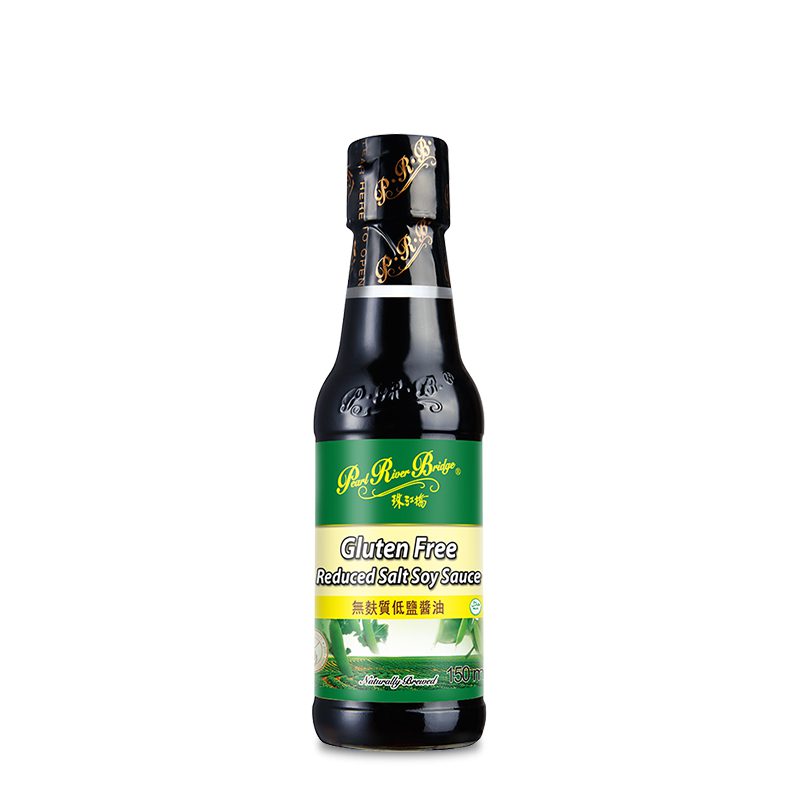
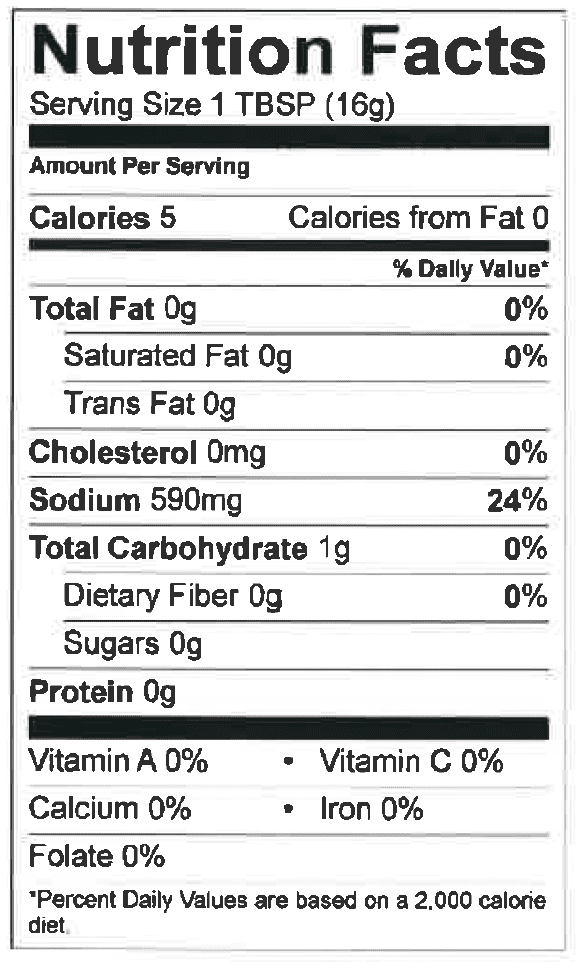
The burning question: how much sodium in low sodium soy sauce? While the exact amount can vary by brand, on average, low sodium soy sauce contains about 40-60% less sodium than its regular counterpart. For example, if a regular soy sauce has around 900 mg of sodium per tablespoon, its low sodium version might contain anywhere from 350 to 550 mg. Always check the label for the most accurate information.
The term “low sodium” can be a bit misleading. According to the FDA, for a product which labeled as “low sodium,” it must contain 140 mg or less per serving. However, most low sodium soy sauces on the market exceed this amount. So while they are lower in sodium compared to regular soy sauce, they are not real “low sodium” by FDA standards. It’s all about perspective.
Ever feel like you need a decoder ring just to understand food labels? When you’re trying to figure out how much sodium is in food, head straight for the ‘Nutrition Facts’ on the back. You’ll see the sodium listed there in milligrams per serving. And here’s the catch, the ‘serving size’ part is super important. If you go overboard on the serving, you will also go overboard on the sodium. So keep an eye on how much you’re using and eating, especially with sneaky things like soy sauce that can really add up.
Opting for low sodium soy sauce can have several health benefits.
But remember, while low sodium soy sauce offers numerous benefits, it’s essential to consume it in moderation and as part of a balanced diet.
Soy sauce might be a universal favorite, but did you know its sodium levels can dance to different tunes depending on where it’s from?
Take Japanese soy sauces, for example Kikkoman, they’re usually on the lighter side and not as salty as Chinese soy sauce. But here’s the cool part, as more people around the globe are tuning into their health, brands from all over are stepping up. They’re whipping up low sodium versions, like light soy sauce, to keep up with the demand from those looking to keep things tasty but with a health-conscious twist. It’s all about giving people the flavors they love.
Though you can’t change the sodium content of an already produced soy sauce, you can dilute it with a proper percentage at home.
For example, you can mix the regular soy sauce with a sodium-free broth can reduce its saltiness. Another method is, to use less soy sauce and complement it with other umami-rich ingredients like mushrooms or seaweed, which can mimic the depth of flavor without adding sodium.
When you’re weighing up low sodium soy sauce against regular soy sauce, it’s really about what suits you best and where you’re at health-wise. If you’re keeping an eye on your health, the low sodium option might be your go-to. But a heads up, always take a peek at the label to see just how much sodium you’re getting before making an informed choice.
