            <div class="elementor-widget-container">

                     <div class="wp-block-image is-resized">
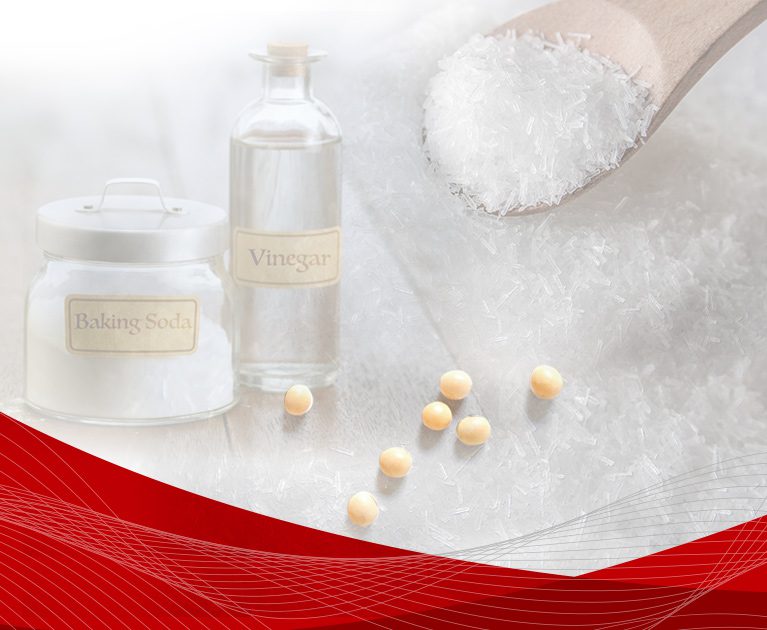
MSG has been used to enhance flavor for over 100 years. This naturally-occurring compound was first identified in 1908 by Japanese scientist Kikunae Ikeda. He extracted glutamate from seaweed and recognized its distinct savory taste, which he called umami.
Ikeda then stabilized glutamate into a salt, creating monosodium glutamate – MSG. MSG quickly became popular throughout Asia as an inexpensive, mass-produced seasoning. Chinese restaurants in the US started using it more widely in the 1950s and 60s as their cuisine grew in popularity.
Around the same time though, MSG developed a negative stigma. Some claimed adverse reactions like headaches, numbness or heart palpitations after eating Chinese food. MSG was blamed as the culprit, though scientific studies later disproved this connection. Still, concerns about MSG’s safety persisted.
By the 1990s, MSG had a villainous reputation in America. Chinese restaurants catered to consumer fears by advertising their food as “MSG-free.” But this ignored the fact that MSG occurs naturally in ingredients like tomatoes and cheese. While the stigma remains today, most experts agree MSG is safe when consumed in normal amounts.
MSG is the sodium salt form of glutamic acid, an amino acid found in protein-rich foods like meat, vegetables, and breast milk. It’s one of the most abundant amino acids in nature. When bound to a sodium ion, glutamic acid becomes a crystalline powder known as monosodium glutamate – MSG.
MSG serves a unique function in food – activating our umami receptors. Umami is considered the fifth basic taste, along with sweet, sour, salty and bitter. It detects savory flavors and amino acids like glutamate. MSG hits the umami receptors on our tongue, enhancing the overall flavor of food.
MSG has become an essential tool for the food industry to enhance flavor efficiency and consistency. Many renowned food brands, such as Doritos, have MSG listed as one of their ingredients. Yes, that’s right! The addictive taste of your favorite snack chips is partly due to the umami punch packed by MSG. Food manufacturers use MSG in the following applications:
MSG’s versatility to enhance and standardize flavors, reduce sodium, and improve cost-efficiencies makes it an indispensable additive for food manufacturers. It’s become integral for engineering the perfect flavor profile on an industrial scale.
For years, MSG has been portrayed as a villainous additive that causes adverse reactions. But extensive research has failed to conclusively link MSG to negative health effects. into the debate surrounding MSG’s safety, noting that the FDA has classified MSG as generally recognized as safe. When used properly, MSG appears safe for most people. Here’s why MSG’s villainous reputation is undeserved:
Despite many studies, there’s no consistent evidence that MSG causes reactions like headaches or numbness when consumed in normal doses. Double-blind studies giving people MSG without their knowledge showed no repeatable reactions. that researchers have found no clear proof of a link between MSG and symptoms like headaches, sweating, or nausea. The FDA classifies MSG as GRAS with no safety concerns.
Our bodies produce glutamate naturally, and receptors throughout the body are designed to interact with it. Added MSG consists of glutamate identical to the natural form. Our bodies can’t distinguish natural glutamates from added MSG. The ‘s discussion about MSG highlights the fact that the glutamate in MSG is identical to the naturally occurring glutamate.
In some individuals, MSG may elicit mild, transitory responses. But proposed MSG sensitivity is confounded by many factors. Reactions may be due to nocebo effects, underlying conditions, food intolerances, or high sodium/fat content rather than MSG itself. Well-controlled studies eliminate these factors and show no consistent reactions.
Since MSG contains less sodium than regular salt, replacing some salt with MSG may lower overall sodium consumption. The mentions MSG as one of the ingredients in food products that contribute to sodium content. This can be used to discuss the potential of MSG in reducing overall sodium intake, as MSG contains less sodium compared to table salt. This could benefit those watching their salt intake. Of course, MSG should still be used in moderation.
Average MSG consumption, even in high Asian-food consumers, remains well below amounts shown to be potentially harmful in tests on animals. Human studies show no risks at normal culinary doses. At moderate levels, our bodies can metabolize added glutamates without issue.
Overall, the science does not support MSG being inherently dangerous at typical consumption levels. While a small subset may have sensitivities, for most people MSG poses no health risk when used properly in cooking. The fears about its safety have been overblown.
conclusively link these symptoms to MSG. Even the FDA classifies it as a food ingredient that’s generally recognized as safe.
To understand MSG’s safety, it helps to look at its chemical structure and composition:
Understanding the science behind MSG’s chemical composition shows there is nothing inherently harmful about this substance. Our bodies recognize it as a normal molecule that we routinely consume in food. When used in moderation, MSG poses no more health risks than traditional ingredients used in cooking.
One underappreciated benefit of MSG is that it contains much less sodium than regular table salt. Replacing some salt with MSG in recipes can potentially reduce your overall sodium consumption.
► MSG vs Salt – Sodium Content Comparison
► Tips for Reducing Sodium with MSG
► Benefits of Lower Sodium
MSG offers a clever way to cut some of the sodium from your diet while still enjoying delicious flavors. With proper education, MSG could shake its stigma and be embraced as a low-sodium seasoning alternative.
Learn More: Low Sodium Soy Sauce vs Regular: Which One Fits Your Dietary Needs?
MSG’s versatility means you can add it to nearly anything. From a sprinkle on your scrambled eggs to a dash in your broccoli or chicken casseroles, MSG can take your dishes to new flavor heights.
► Making Your Own MSG-Infused Sauces and Seasonings:
An easy way to incorporate MSG into your meals is by creating your own MSG-infused seasonings and sauces. You can make an MSG-spiced rub for your poultry or create a savory soy-based sauce for stir-fries.
► MSG Cocktail Magic: An Unexpected Use of MSG:
Now, this might surprise you, but MSG can even find its way into your cocktails. A pinch of MSG can enhance the flavors of your drink, making it a unique addition to your mixology toolkit. Just imagine sipping on a Bloody Mary with an added umami kick!
► Sweet and Savory: Exploring MSG Use in Desserts:
MSG in desserts? You bet! While it might seem unconventional, a little bit of MSG can enhance the flavors and palate of certain sweet dishes, too. It can help balance and round out flavors, making your sweet treats even more delectable.
So, the next time you’re in the grocery store, don’t shy away from that little bottle of MSG. Remember, it’s not just for Chinese food or savory dishes. From your main course to your cocktails and desserts, MSG can be your secret weapon in the cooking process.
In the realm of cooking, MSG is not just a seasoning, but a magic ingredient that can transform your dishes, making them burst with flavor. From its humble beginnings in a Japanese lab to its global recognition, MSG has come a long way.
Despite the myths and misconceptions, MSG is not the villain it’s often portrayed to be. In fact, it can be a healthier alternative to regular salt, helping you reduce your sodium intake. And let’s not forget, it’s the key to unlocking that elusive fifth taste – umami.
Whether you’re whipping up a quick stir-fry, mixing a cocktail, or even baking a dessert, a little sprinkle of MSG can elevate your culinary creations. So, why not give it a try? Explore the world of MSG, experiment with it in your kitchen, and experience the umami magic for yourself.
